YouTube Stations is real, but the useful answer needs a large asterisk. As of July 26, 2026, YouTube has officially described Stations as a pilot on TV devices for continuous, curated music-video programming. It has not announced a self-serve feature that lets any creator turn a loop stream into a Station.
That distinction matters. A 24/7 creator should watch the direction of travel, but should not rebuild a channel around an invitation, eligibility threshold, payout model or rollout date that YouTube has never published.
Is YouTube Stations an official feature?
Yes. On May 14, 2026, a TeamYouTube quarterly update about smart TVs and gaming consoles said YouTube had expanded its Stations pilot. YouTube defined it as a destination where viewers can enjoy videos curated by an artist or label in a continuous stream. That is the clearest official description available at the time of writing.
There is also a concrete example. On April 2, 2026, the official YouTube Blog introduced Coachella TV as a Station: a 24/7, interactive and uninterrupted music-viewing experience using archival performances and new festival highlights. A second official post on April 9 told viewers to turn on that YouTube Station and described it as a continuous stream of lineup-related videos.
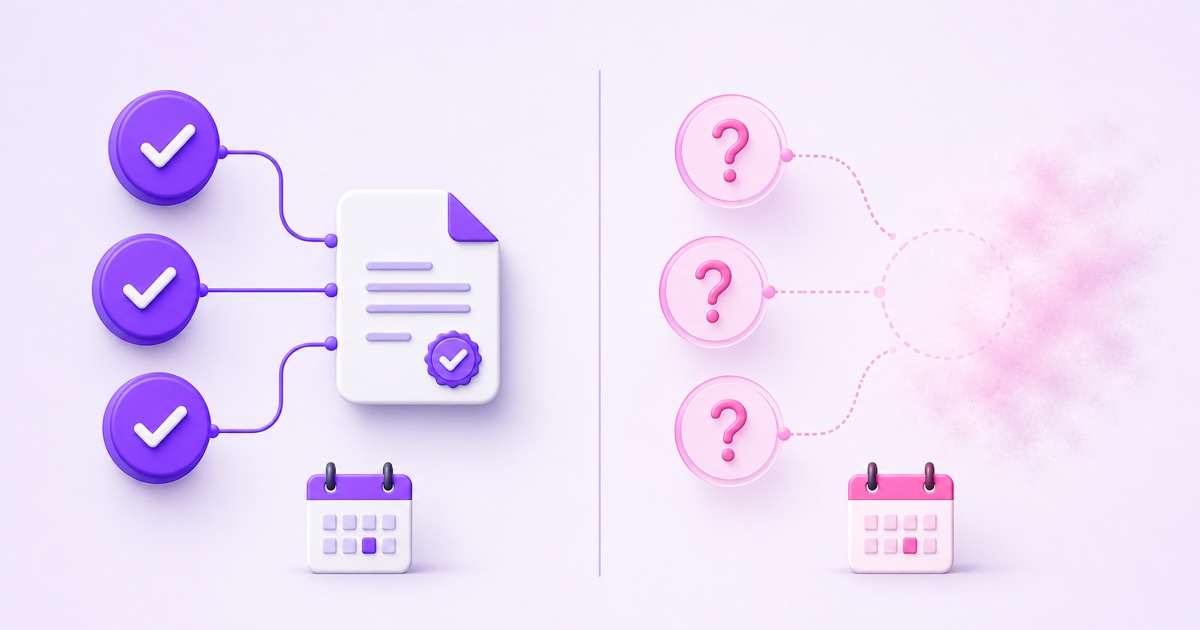
So the name is not a competitor’s invention. However, the official material frames Stations as a pilot, shows artist- and label-curated programming, and gives a major festival as its public example. Neither official announcement provides a creator application form, general eligibility rules, a revenue share, a country list or a rollout calendar.
| Confirmed by YouTube | Not documented by YouTube |
|---|---|
| Stations is an official pilot | Open access for all creators |
| It appears in YouTube’s TV product updates | A Studio button to create a Station |
| It presents curated videos continuously | Subscriber or watch-time thresholds |
| Artists, labels and Coachella are named examples | Station-specific revenue terms |
| The pilot had added more channels by May 2026 | A global release date |
Do not confuse this pilot with YouTube Music’s personalized radio stations, YouTube TV’s traditional channel guide, a playlist set to autoplay, or a normal creator livestream. They may all feel continuous to a viewer, but they are separate products and surfaces.
What YouTube’s move toward linear viewing actually confirms
YouTube has been explicit about the television screen. In a February 11, 2025 letter, CEO Neal Mohan said TV had surpassed mobile as the primary YouTube viewing device in the United States by watch time, measured across YouTube services as of December 2024. The same official letter said viewers watched more than one billion hours of YouTube content on TVs on an average day and described live streams alongside Shorts, podcasts, sports and conventional shows in its idea of the “new television.”
In January 2026, YouTube’s CEO again said the service was investing in every format on every screen and called creators the new prime time. That 2026 priorities letter is evidence of a living-room strategy, not evidence that ordinary loop channels will receive Stations placement.
Creators already have verifiable live surfaces without the pilot. YouTube Help, checked on July 26, 2026, tells viewers to use the Live destination to browse current and upcoming streams. Its creator guidance says a channel can create a Live section, public events may appear in a subscriber’s homepage feed, and a stream may appear in “What to Watch Next.” YouTube’s live analytics documentation also lists YouTube Search, Suggested Videos and playlists as ways viewers can find live content.
Those are mechanisms, not promises. A live badge or placement opportunity does not manufacture demand, and Stations does not prove an algorithmic boost for 24/7 loops. For a more careful treatment of discovery, read how YouTube treats live streams.
Why this direction matters to a loop creator
Here is the reasonable inference: YouTube is designing more of its product for lean-back viewing on large screens, while Stations packages selected video libraries into a continuous channel-like experience. A well-built always-on stream already uses the same viewer habit—join now, understand the programme quickly, and keep watching without choosing another video every few minutes.
That makes continuous programming a sensible format bet. It does not make Stations access a sensible business assumption. You cannot control whether YouTube expands the pilot, which partners it chooses, or whether a future version resembles today’s experiment.
You can control whether your channel is worth watching from a sofa. Clear audio, readable graphics, proper pacing and a recognisable programme rhythm become more important on a TV where the viewer may not touch the remote for an hour. The underlying idea is explained in what 24/7 streaming means; the honest caveat is that being continuously available still does not guarantee a single view.
What you can actually do today
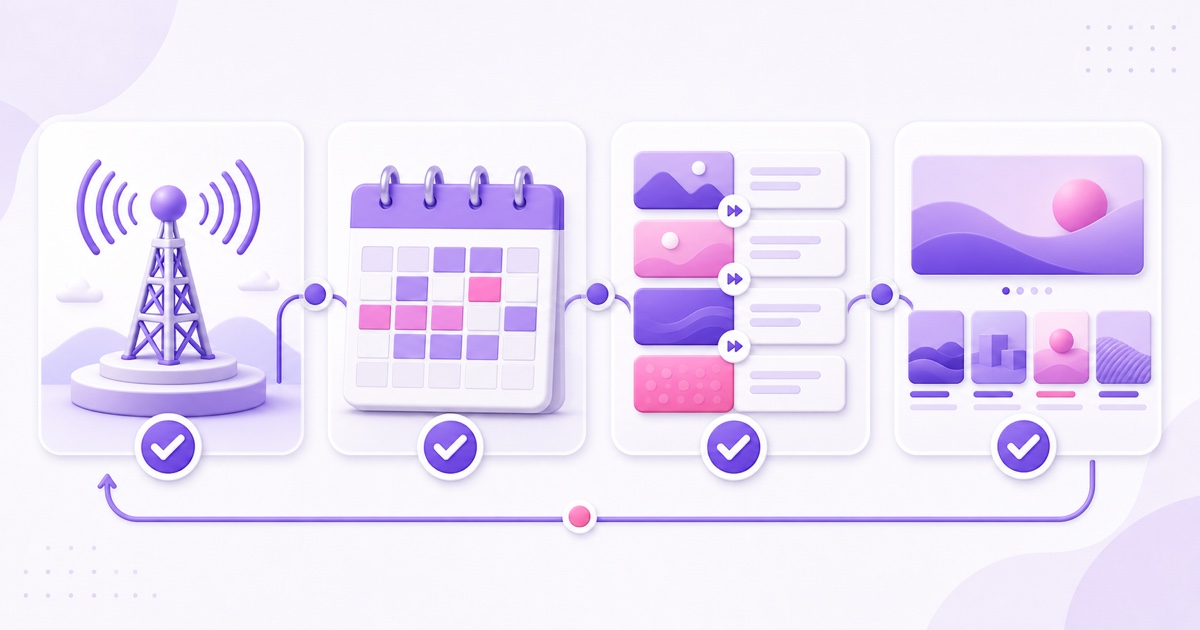
1. Keep one continuous stream stable
Use content you own or have permission to broadcast, export it in a reliable streaming format, and send it through an encoder that can recover when the push drops. Viewers should not have to learn why your Wi-Fi failed at 3 a.m. Stability is the first piece of channel-like behaviour.
This is where a managed loop service can help operationally: StreamNeo can keep the pre-recorded feed running without leaving your computer on. It does not grant Stations access or special treatment from YouTube.
2. Publish a schedule people can trust
“Always on” should not mean “random forever.” Give the day a structure: morning bhajans, afternoon talks and evening aarti; or deep-focus blocks, short resets and a night ambience programme. Put the schedule in the description, channel banner or a pinned comment, and keep it accurate. Use the practical steps in this 24/7 stream schedule guide.
3. Build programmes, not a file dump
Add short idents between blocks, consistent opening cards, clean transitions and enough variation that a returning viewer can recognise where they joined. A two-hour library with deliberate segments feels more like a channel than twenty unrelated files shuffled without context. The FAST-channel playbook shows how to turn a video library into linear programming without pretending you own a cable network.
4. Keep your Live surface presentable
YouTube Studio → Content → Live separates streams that are live now, upcoming and available as replays. On the public channel, use YouTube Studio → Customization → Home tab to organise sections, and create a Live section for upcoming and current events as YouTube recommends. Review dead tests, duplicate replays and stale thumbnails so a new visitor sees a coherent channel instead of an incident log.
What to ignore
Ignore claims about secret invitations, minimum subscriber counts, guaranteed placement or a special Stations revenue share unless the claim links directly to current YouTube documentation. “A source says” is not enough. A competitor’s blog can point you toward a topic, but it cannot establish a YouTube product rule.
Also ignore anyone using Coachella TV to imply that every 24/7 livestream is already a Station. YouTube chose that example for an artist-and-festival pilot. The ordinary Live product remains the tool available to verified, unrestricted creator channels, with its own setup and policies.
A useful checking habit takes two minutes: search the official YouTube Blog, the YouTube Help Centre, and the Creator Insider channel. Check the publication date, read the stated scope, and treat a missing eligibility page as missing information—not permission to invent one.
How to prepare without gambling on the pilot
- Design for a mid-join. A viewer arriving halfway through a segment should understand the channel within a few seconds. Use a subtle bug, periodic ident or short lower-third rather than a long introduction.
- Write literal metadata. Say what is playing, whether it is recorded, and what the schedule covers. Do not put “official Station” or suggest a YouTube partnership you do not have.
- Programme for the room. Test the stream on a television from normal viewing distance. Tiny phone-first captions, harsh audio jumps and static frames are more obvious on a large screen.
- Own the rights chain. Keep licences, artist permissions and source files organised. A new discovery surface would not relax copyright or monetisation rules.
- Measure what exists. In YouTube Studio → Analytics → Content → Live, review impressions, click-through rate, views, average view duration and the traffic sources YouTube actually reports.
- Re-check quarterly. Save the official Stations update and look again in October 2026. If YouTube publishes access rules, judge the real requirements then.
These steps have value even if the pilot never opens to independent loop channels. They improve today’s viewer experience, make operations easier to audit, and leave you ready for any future linear surface without betting the business on one.
The dated bottom line
Confirmed as of July 26, 2026: YouTube Stations is an official pilot for continuous, curated music-video viewing on TV devices; YouTube expanded it by May 2026; and Coachella TV was a named 24/7 example in April 2026. YouTube is also openly investing in television viewing while creators retain the existing Live product and discovery surfaces.
Unconfirmed as of that date: open creator access, an application route, universal eligibility criteria, a Stations-specific payout, country availability and a general launch timetable. Re-check those items in three months because pilots change.
Official sources used
- TeamYouTube Q1 2026 TV update, May 14, 2026.
- YouTube’s Coachella 2026 guide, April 2, 2026.
- YouTube’s Coachella livestream update, April 9, 2026.
- YouTube CEO’s 2025 priorities, February 11, 2025.
- YouTube Help: Promote your live stream, checked July 26, 2026.
- YouTube Help: Live content analytics, checked July 26, 2026.
You do not need a rumoured shortcut to build a channel viewers can rely on. See the available plans, then start free — 24-hour trial, no card when your programme is ready to stay on.
FAQ
Is “YouTube Stations” an official feature?
Yes, but its documented scope is narrow. As of July 26, 2026, YouTube calls Stations a TV pilot for continuous videos curated by artists or labels, with Coachella TV as a public example. YouTube has not documented a self-serve Stations tool for all creators.
Should I change my 24/7 setup because of it?
No. Keep improving the things viewers already experience: a stable stream, a truthful schedule, clear programme blocks, clean transitions and an organised Live surface. Those changes help now and would also prepare the channel for a future linear opportunity.
Where do I find reliable news about YouTube features?
Start with the official YouTube Blog, YouTube Help Centre and Creator Insider. Confirm the date and product scope, and look for an official eligibility or setup page before acting. Treat third-party coverage as a lead to verify, not as the rule itself.